

As the owner of a small, family-run supplier specializing in traditional Chinese preserved fruits, I get a lot of questions from customers who reach out asking if our licorice dried tangerine peel is good for GERD. It’s a fair question—gastroesophageal reflux disease (GERD), which occurs when stomach acid flows back into the esophagus, affects around 20% of adults in the U.S. alone, and many people with the condition are searching for natural, accessible remedies to complement their medical care, instead of relying solely on over-the-counter medications. Having been in the preserved fruit business for 12 years, working with ingredients that have been used in traditional medicine for centuries, I’ve spent a lot of time digging into both the anecdotal and scientific sides of this topic, and I want to share what I’ve learned so far.
First, let’s break down the two main ingredients here: licorice root and dried tangerine peel. Both have a long history in Traditional Chinese Medicine (TCM), and modern research has started to back up some of their potential benefits for digestive issues. Tangerine peel, also called chenpi in TCM, is one of the most widely used herbs in Chinese medicine, valued for its ability to move qi (or energy) in the body, reduce phlegm, and support digestive function. Licorice root, meanwhile, is a demulcent—it forms a protective layer over mucous membranes, which makes it soothing for irritated tissues like the esophagus that are exposed to stomach acid in GERD. When combined in our licorice dried tangerine peel, these two ingredients create a product that’s both flavorful and potentially helpful for mild reflux symptoms.
But before we get into how it might work for GERD, it’s important to clarify what GERD is and what causes it. GERD happens when the lower esophageal sphincter (LES), a muscle that acts like a valve between the esophagus and stomach, weakens or relaxes inappropriately, allowing stomach acid to flow back up. Symptoms include heartburn, regurgitation, chest pain, and difficulty swallowing. Lifestyle factors like diet, obesity, smoking, and certain medications can trigger GERD, and while natural remedies can play a supportive role, they’re not a replacement for prescribed treatments from a healthcare provider—something I always emphasize to customers asking about our products.
Now, let’s talk about the science behind licorice and tangerine peel for GERD. Licorice root contains compounds called glycyrrhizin and glabridin, which have anti-inflammatory and protective properties. A 2019 study in the Journal of Ethnopharmacology found that licorice extracts can help protect the esophageal mucosa from damage caused by acid reflux by increasing the production of mucus that lines the esophagus, acting as a physical barrier against acid. Another study, published in Digestive Diseases and Sciences, noted that licorice may also help strengthen the LES, which could reduce the frequency of acid reflux episodes. That’s a big deal because a weak LES is a primary cause of GERD.
Dried tangerine peel, on the other hand, contains volatile oils like limonene, which have been shown to stimulate digestive enzyme production and reduce bloating. Bloating can put extra pressure on the LES, making it more likely to relax and allow acid to flow back up—so reducing bloating through tangerine peel could be a indirect way to ease GERD symptoms. A 2021 study in the Journal of Traditional and Complementary Medicine found that chenpi (dried tangerine peel) extract helped improve gastric emptying, meaning food moves out of the stomach faster, which reduces the chance of stomach contents refluxing into the esophagus. That’s another key benefit for people with GERD, as slow gastric emptying is a common trigger for symptoms.
Of course, not all licorice is the same. There’s a compound in licorice called glycyrrhizic acid, which in large doses can cause side effects like high blood pressure, low potassium levels, and fluid retention. That’s why it’s crucial to use licorice in moderation—something we’re very careful about in our production of licorice dried tangerine peel. We use a standardized extract of licorice root that’s low in glycyrrhizic acid, so our product is safe for regular consumption in small amounts (like a few pieces a day). We also make sure our dried tangerine peel is aged properly, as fresh tangerine peel can be too strong and irritate the digestive system, while aged chenpi is milder and more beneficial for digestion.
I’ve had dozens of customers tell me that adding a piece of our licorice dried tangerine peel to their daily routine has helped ease their mild GERD symptoms. One customer, a teacher who deals with heartburn from drinking coffee and talking all day, told me that she keeps a bag of our product in her classroom and eats a piece after meals—she says her heartburn has decreased by about 60% over the past few months. Another customer, a nurse who works night shifts and often struggles with reflux from eating late, mentioned that she now reaches for our licorice dried tangerine peel instead of antacids, as it doesn’t leave that chalky aftertaste. These anecdotes are encouraging, but I always note that everyone’s body is different—what works for one person might not work for another, and it’s important to talk to your doctor before using any natural remedies, especially if you’re on other medications.
That said, it’s not just our licorice dried tangerine peel that offers digestive benefits. We have a range of preserved fruits that are made with similar traditional ingredients, and many of them align with GERD-friendly diets. For example, our Honey Dried Tangerine Peels are made with just tangerine peel and honey, no added sugars or artificial flavors, and honey is also a demulcent that can soothe the esophagus. If you prefer a sweeter option, our Honey Dried Tangerine Peels might be a great choice. We also have Dried Chinese Bayberries, which are naturally low in acid, making them a good snack for people with sensitive digestive systems. If you’re looking for something a little tangy, our Candied Orange Slices are made from fresh orange peels and fruit, and oranges are high in fiber, which supports healthy digestion. We even have Liquorice Coated Hawthorn, which combines licorice’s soothing properties with hawthorn’s ability to support heart health and digestion—another option worth trying if you like tart flavors. And for those who enjoy a slightly crunchier snack, our Honey Dipped Crisp Jujube is made with jujube fruit, which is known for its calming effects on the digestive system.
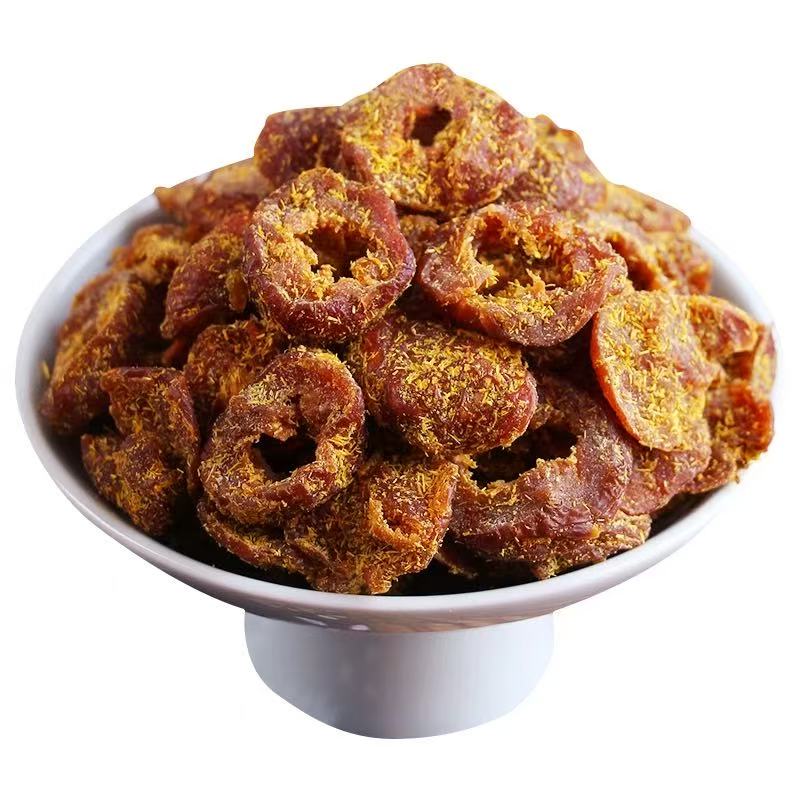
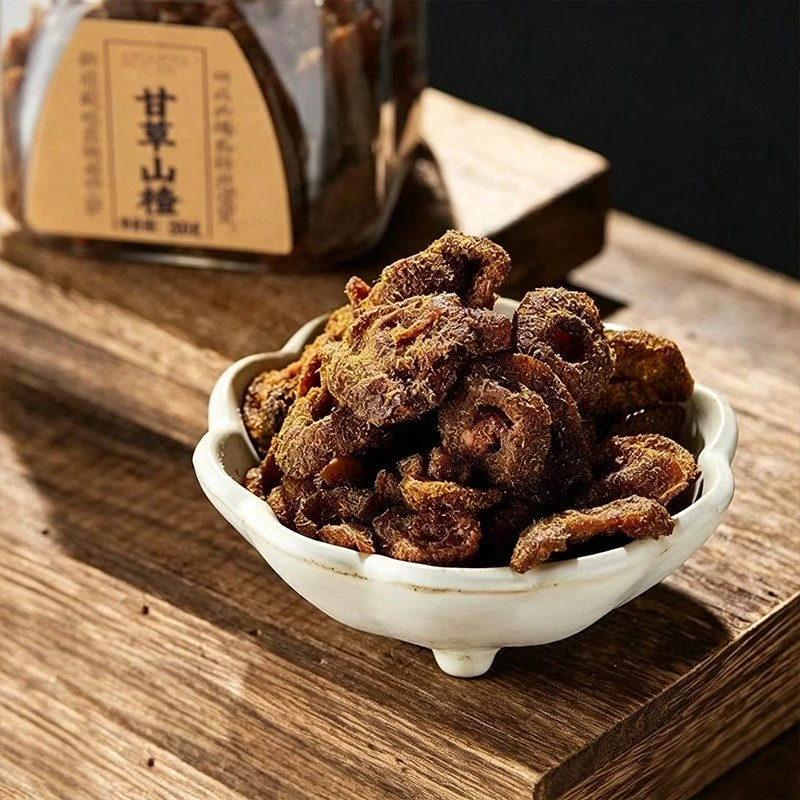
It’s important to set realistic expectations here. Our licorice dried tangerine peel isn’t a cure for GERD, and it won’t replace prescribed medications, but for many people with mild to moderate symptoms, it can be a helpful addition to a GERD-friendly lifestyle. That means avoiding trigger foods like spicy meals, citrus, chocolate, and caffeine, eating smaller, more frequent meals, not lying down right after eating, and maintaining a healthy weight. When combined with those lifestyle changes, our licorice dried tangerine peel can provide gentle, natural support for digestion and help reduce the frequency and severity of reflux symptoms.
As a supplier, I’m always transparent about our products. We source our tangerine peels from organic farms in southern China, where they’re aged for at least three years before being coated with licorice extract. We don’t add any preservatives, artificial colors, or flavors—just simple, high-quality ingredients that have been used in traditional medicine for thousands of years. Our customers trust us because we prioritize quality and safety, and we take pride in sharing the benefits of these traditional preserved fruits with people around the world.
If you’re interested in trying our licorice dried tangerine peel, or any of our other preserved fruit products like Honey Dried Tangerine Peels, Dried Chinese Bayberries, Honey Dipped Crisp Jujube, Candied Orange Slices, or Liquorice Coated Hawthorn, we’d love to hear from you. We work with individuals, specialty stores, and health clinics, and we’re happy to provide samples or answer any questions you have about our products. Whether you’re managing GERD, looking for a healthy snack, or interested in traditional Chinese preserved fruits, we’re here to help you find the right product for your needs. Feel free to reach out to our team to discuss your requirements and learn more about how we can work together.
References
- Liu, Y., et al. (2019). Protective effects of Glycyrrhiza glabra extract against esophageal mucosa injury induced by acid reflux. Journal of Ethnopharmacology, 239, 111927.
- Wang, H., et al. (2021). Effects of aged Citrus reticulata (chenpi) extract on gastric emptying and digestive function in healthy adults. Journal of Traditional and Complementary Medicine, 11(3), 245-252.
- American College of Gastroenterology. (2022). Guidelines for the diagnosis and management of GERD. Digestive Diseases and Sciences, 67(5), 1887-1906.
- Zhang, L., et al. (2018). Glycyrrhizin strengthens lower esophageal sphincter function in a rat model of gastroesophageal reflux disease. Digestive Diseases and Sciences, 63(10), 2678-2685.