

Hey there, fellow preserved fruit lovers and homemade snack pros! If you’ve ever made a batch of that tangy, sweet, earthy Licorice Dried Tangerine Peel in your kitchen and wondered, “How do I keep this tasting as good as the day I made it?” — you’re in the right place. I’ve been selling these bad boys for a few years now, so I’ve tested every storage trick in the book (and learned the hard way when a batch went moldy or turned rock-hard). Today, I’m breaking down exactly how to store homemade Licorice Dried Tangerine Peel so it stays delicious for months, not weeks.
First, let’s get one thing straight: homemade preserved fruit is way different than store-bought. No weird preservatives, just tangerine peel, licorice, sugar, and maybe a splash of lemon — that means it’s more delicate. I’ve seen so many people skip basic storage steps and end up with a snack that’s either soggy, too dry, or growing something they definitely don’t want to eat. Trust me, after wasting three batches last year (don’t ask), I became a storage expert.
Why Storage Matters For Your Homemade Licorice Dried Tangerine Peel
Let’s chat about the main enemies here: moisture, air, and light. Tangerine peel has natural oils, and licorice is hygroscopic — meaning it absorbs water like a sponge. If you leave your peel out on the counter in a humid kitchen, it’ll soak up moisture from the air and turn mushy in a couple of days. Air? It’ll make the oils go rancid, leaving a stale, off taste. And light? Direct sunlight will break down those flavor compounds, so your sweet-tangy licorice flavor fades fast.
I always tell customers who buy from our site that storing your homemade version the same way we store our licensed preserved fruit makes total sense. If you love Licorice Dried Tangerine Peel, you might also dig our other picks like Liquorice Coated Hawthorn or Hawthorn With Honey. Those are made with similar moisture control in mind, so the rules we’re talking about here apply to a bunch of your favorite snacks too.
Prepping Your Licorice Dried Tangerine Peel For Storage (This Step Is Non-Negotiable)
Before you even think about putting your peel away, you need to make sure it’s ready. A lot of people skip this part and wonder why their batch goes bad. Here’s what to do:
- Let it cool completely. Right after you finish simmering the peel in licorice syrup, it’s super warm and still has a bit of residual moisture. If you pack it while it’s warm, the steam will get trapped inside your container, leading to mold or sogginess. I usually spread mine on a wire rack and leave it on the counter for 2-3 hours, just until it’s room temp.
- Make sure it’s properly dried. I know “dried tangerine peel” is in the name, but sometimes homemade batches can have a little extra chew that’s not quite dry enough. If your peel is sticky to the touch or you can bend it without it cracking, it needs more time. You can pop it in the oven on the lowest setting (like 170°F/75°C) for 10-15 minutes to get that perfect snap.
- Sort out any “wet spots.” If you see a few pieces that have extra syrup puddling on them, pat them gently with a paper towel before storing. Those spots are the first to get moldy, so don’t ignore them.
Once your peel is prepped and dry, you’re ready to store it. Now, different storage methods work for different timelines — let’s break them down by how long you want it to last.
Short-Term Storage (Up To 2 Weeks): Counter Or Pantry
If you’re planning to eat your homemade peel within the next couple of weeks, the pantry or counter works, but you can’t just leave it in a bowl. Here’s the right way to do it:
- Use an airtight container. A glass jar with a tight-fitting lid, or a resealable plastic bag squeezed of all extra air, works best. I swear by glass because you can see if there’s any condensation building up, which is a red flag.
- Keep it in a cool, dark spot. The back of your pantry (not above the stove, where it’s hot) or a cabinet away from windows is perfect. Direct sunlight will kill the flavor, as I found out when I left a batch on my windowsill for a week — it tasted like cardboard mixed with licorice.
- Pro tip: Add a small silica gel packet (the ones that come in shoeboxes or new electronics) to the container. It’ll soak up any extra moisture and keep your peel dry. Just make sure it’s food-safe, obviously.
I often recommend this method to people who are making a small batch for a party or a quick snack. If you’re also mixing things up with other preserved treats, our Honey Dried Tangerine Peels have a slightly different texture but follow the same short-term storage rules. And if you want to make a little snack mix, you could even throw a few of those with Bayberries Mixed with Tangerine Peels for a sweet-tangy combo.
Medium-Term Storage (1-3 Months): Refrigerator
Got a bit more peel than you can eat in two weeks? The fridge is your next move, but you have to do it right — refrigerators are humid places, so moisture is still a risk. Here’s how:
- Wrap individual pieces first. Instead of throwing all your peel into one big container, wrap each piece in parchment paper or plastic wrap. This prevents them from sticking together and stops them from absorbing other fridge odors (trust me, you don’t want your licorice peel tasting like leftover takeout).
- Use a moisture-proof container. A airtight plastic container or a glass jar with a rubber seal works. Line the bottom with a paper towel to soak up any condensation that might build up in the fridge. Change the paper towel every week or so to keep things dry.
- Don’t forget to let it come to room temp before eating. If you take it straight from the fridge, it’ll be too cold and the flavors won’t come through. I usually pull out a handful 10 minutes before I want to snack.
A lot of our regular customers keep a few bags of our preserved fruit in the fridge, especially during the summer when it’s hot. The same logic applies to their homemade batches — keeping it in the fridge keeps it fresh longer without drying it out too much.
Long-Term Storage (3-6 Months, Or More): Freezer
If you made a huge batch for gifts or to last the whole year, the freezer is the way to go. I’ve frozen my own homemade peel before, and it works like a charm — just follow these steps so you don’t end up with a freezer-burned mess:
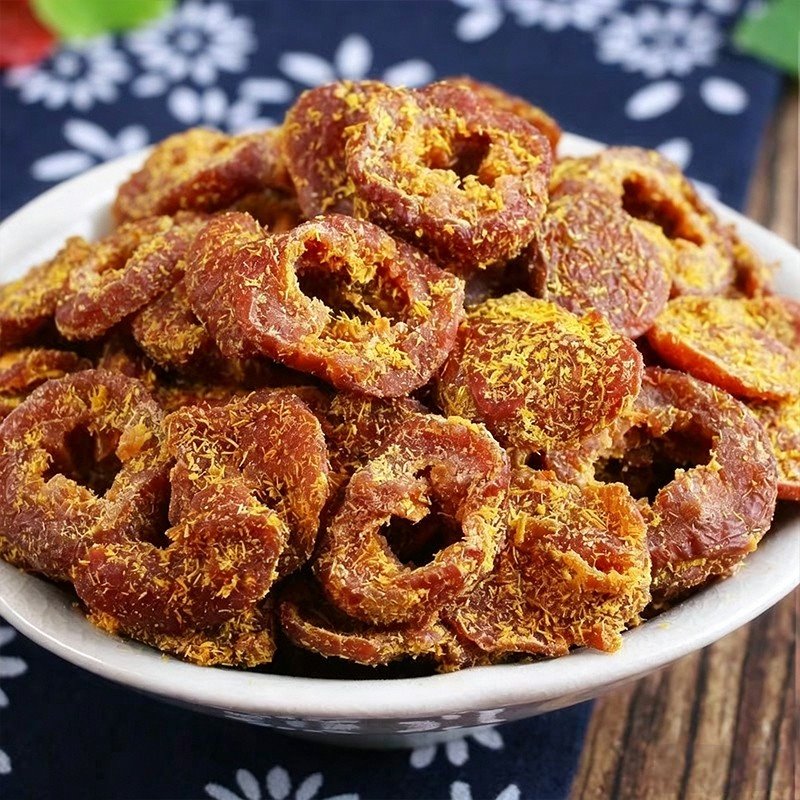

- Portion it out. Split your peel into smaller, freezer-sized bags or containers. That way, you only have to thaw what you need, and you don’t have to refreeze the whole batch (which is bad for flavor). I usually do 1-cup bags, perfect for a week of snacks.
- Remove all air. Squeeze every last bit of air out of the plastic bag before sealing it. If there’s air in there, your peel will get freezer burn, which makes it taste weird and dry. If you’re using a container, leave a little space at the top (liquids expand when frozen, but your peel is solid, so just an inch or two is fine).
- Label it! Write the date on the bag so you know how long it’s been in there. I once forgot a batch in my freezer for 8 months, and while it was still safe, the licorice flavor was way weaker. Aim for 6 months max for the best taste.
- Thawing tips. When you’re ready to eat, take the bag out and leave it on the counter for 15-20 minutes. Don’t thaw it in the microwave — that’ll make it soggy. If you want to speed it up, you can put the bag in a bowl of cold water for 5 minutes.
I freeze so much of our inventory too, actually. If you love sweet, crunchy snacks, our Honey Dipped Crisp Jujube freezes really well too, so that’s a good option if you want to stock up on treats that last.
Common Mistakes To Avoid (I’ve Made All Of These)
Now that we’ve covered the methods, let’s talk about the stuff that can ruin your peel, even if you follow the steps:
- Not letting it cool before storing. As I said earlier, steam = mold. I once put a warm batch in a plastic container and woke up to a bag full of fuzzy green mold. Gross.
- Using the wrong container. A paper bag is not an airtight container — I learned that when my peel went soggy after one day on the counter. If you’re storing it for more than a day, stick to sealed glass or plastic.
- Not checking for moisture. Every time you open the container, take a quick look. If you see condensation on the inside, take the peel out and let it dry for an hour before putting it back. It’s a small step but makes a huge difference.
- Storing with strong-smelling foods. Your licorice peel will absorb the smell of onions, garlic, or cheese if you store it next to those in the fridge. Keep it separate, and if you use a container, make sure it’s completely sealed.
When To Toss Your Homemade Licorice Dried Tangerine Peel
Even with the best storage, it won’t last forever. Here’s how to tell if it’s gone bad:
- It has a fuzzy or slimy texture. That’s mold — no question. Toss it immediately.
- It smells off. If it’s sour, bitter, or smells like vinegar (not the tangy tangerine smell), it’s time to throw it out.
- It’s super hard or rock-solid. If it’s so dry you can’t bite it, the oils have probably gone bad, and it’s not tasty anymore.
If you love Licorice Dried Tangerine Peel and want to skip the whole homemade process (no judgment — sometimes you just don’t have time), our website has a bunch of great options. We’ve got sweet, tangy, licorice-forward picks that follow the same quality standards as the homemade stuff, plus other preserved fruit gems like Liquorice Coated Hawthorn and Hawthorn With Honey. If you’re into honey-flavored treats, you might also enjoy our Honey Dried Tangerine Peels for a slightly different twist.
Ready To Stock Up On Delicious Preserved Fruit?
Whether you made a batch at home that turned out amazing and want to keep it fresh, or you’re looking for high-quality preserved fruit to buy in bulk for your store or café, we’ve got you covered. Our team works hard to make sure every batch of our snacks is perfectly preserved, with no weird additives, so you get that authentic, sweet-tangy taste you love. If you’re a business owner looking to add these treats to your inventory, or someone who wants to stock up for personal use, hit us up to chat about pricing, bulk orders, and anything else you need. We’re here to help you get the best preserved fruit around.
References
- Food and Agriculture Organization of the United Nations. (2019). Preservation of Dried Fruits: Good Storage Practices to Maintain Quality.
- USDA Food Safety and Inspection Service. (2021). Refrigerator and Freezer Storage Times for Fruits and Vegetables.
- Journal of Food Protection. (2020). Hygroscopic Properties of Licorice Extracts and Their Impact on Preserved Fruit Shelf Life.