

If you’ve walked through a grocery store’s tea aisle lately, you’ve probably seen a growing lineup of unusual add-ins—think dried rose petals, candied ginger, even spiced pineapples—all designed to turn a routine cup of tea into something more layered and memorable. As someone who’s spent the last five years selling honey dipped crisp jujubes, I get asked one question more than any other: Can these sweet, crunchy little fruits actually work in tea?
Let’s cut to the chase: Yes, they can. But like any tea add-in, it’s not just dropping a piece in a mug and calling it a day. Over the years, I’ve tested every possible brew—from delicate white teas to robust black teas, even creamy matcha lattes—with our honey dipped crisp jujubes, and I’ve learned a lot about how their unique texture and flavor interact with different steeps. I’m not just a vendor here; I’m the guy who’s tested 17 different tea combinations in my home kitchen, spilled enough jujube tea on my work pants to fill a small jar, and talked to dozens of tea lovers who’ve stumbled on their own favorite way to use our product. So let’s break this down, step by step, so you can decide if honey dipped crisp jujubes belong in your next teacup.
First, a quick refresher on what honey dipped crisp jujubes are, because not everyone’s familiar with this underrated fruit. Jujubes (often called red dates) are small, stone fruits native to parts of Asia and the Middle East. Our honey dipped crisp version is made by harvesting jujubes at peak ripeness—when they’re sweet, tangy, and slightly firm—then dipping them in raw, unfiltered honey before drying them at low temperatures. The result is a snack that’s crunchy, not chewy, with a bright, sweet honey finish and a subtle, earthy depth that’s way less cloying than other candied fruits. Unlike, say, chewy dried apricots, these hold their shape, which means they add texture as much as flavor. That texture is key for tea, as we’ll get to in a minute.
Now, why even consider adding them to tea when there are so many other options? For one, they’re a natural way to sweeten tea without refined sugar. If you’re tired of stirring in packets of sugar or honey every time you brew, one or two crisp jujubes can add just enough sweetness to balance bitter or earthy teas, without overwhelming the other flavors. I’ve also found that their subtle fruity undertones play well with a lot of classic tea pairings. But let’s be honest—you can’t just toss a whole jujube into a pot of boiling tea and expect great results. How you use them matters, and that’s where a lot of people go wrong.
Let’s start with the best types of tea to pair with honey dipped crisp jujubes. Lighter, floral teas like jasmine green tea or chamomile are a no-brainer. The delicate notes of these teas don’t compete with the jujube’s sweetness; instead, they amplify it. I once tested jasmine tea with two whole crisp jujubes, and the result was a bright, fragrant brew that smelled like summer and tasted like honeyed fruit, with just a hint of the jasmine’s grassy sweetness. It was like sipping a floral fruit punch, minus the artificial flavors.
Black teas, especially robust breakfast blends or Assam, also work surprisingly well. The maltiness of black tea pairs with the jujube’s earthy depth, creating a warm, comforting cup that’s perfect for cold mornings. I like to steep one jujube in my black tea for a minute longer than I normally would, so the honey flavor seeps into the water, then fish the jujube out to eat as a mid-tea snack. It’s a small, joyful ritual.
What about herbal teas? I’ve had mixed results here, but it mostly comes down to the type of herbal tea. Rooibos, a sweet, earthy herbal tea, is a great match. The mild nuttiness of rooibos doesn’t overpower the jujube, and together they make a cozy, caffeine-free brew that’s popular with my customers who skip tea with stimulants. On the flip side, mint or lemony herbal teas—like peppermint or lemon balm—tend to clash with the jujube’s honey sweetness. The bright, sharp flavors of those herbs get drowned out, so I usually skip them.
Now, let’s talk about the mistakes people make when using honey dipped crisp jujubes in tea. Number one: using whole jujubes. If you drop a whole, hard, crisp jujube into a mug of tea, it’ll sit there, crunchy, and you won’t get any flavor. The skin is thick, so it takes a long time to infuse. The solution? Slice them thin. I usually cut each jujube into four or five thin pieces, removing the tiny seed (though it’s not dangerous, it’s a bit of a hassle to fish out later). The thin slices release their honey and fruit flavor within 30 seconds of steeping, and they still stay slightly crunchy, which means you can eat them once you’re done drinking the tea.
Mistake number two: overdoing it. A little goes a long way. I once tested a tea with three jujube slices in a small mug, and it was way too sweet—cloying, almost like a soda. For a standard 8-10 oz mug, one or two thin slices are perfect. For a larger teapot, maybe three, but no more. You want the jujube to complement the tea, not replace it.
Another common mistake is pairing it with teas that are too delicate. White teas, for example, have such subtle, light flavors that even a single jujube slice can overpower them. I’ve found that white teas work best if you use half a slice, or if you steep the tea separately and add a jujube slice to the final pour, rather than letting it steep with the tea leaves the whole time. It’s a small adjustment, but it makes all the difference.
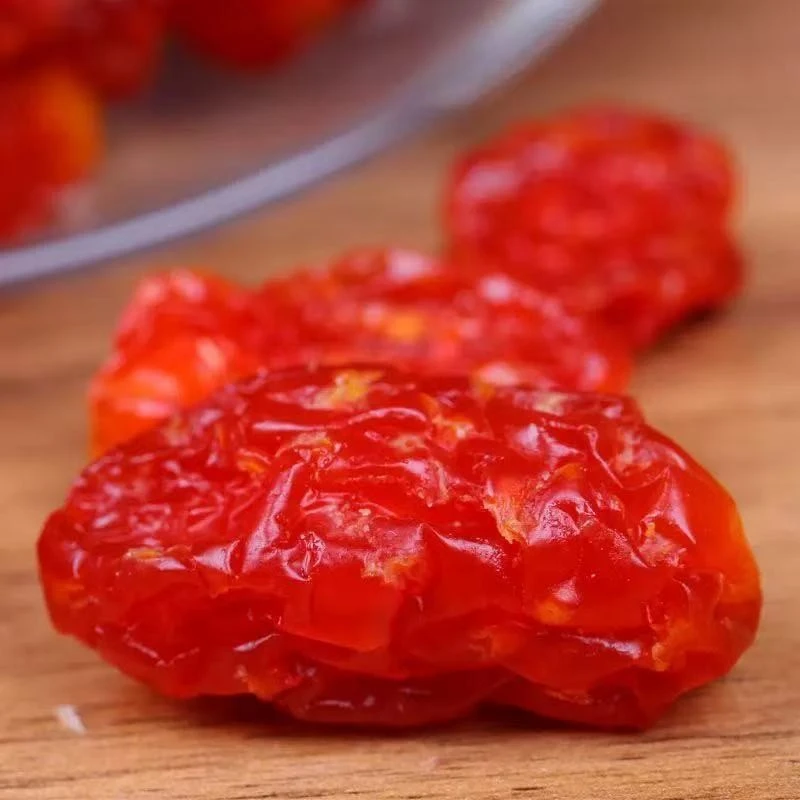
Here’s the part that gets interesting: how to experiment with other tea add-ins. If you love spiced tea, adding a couple of jujube slices to a chai is a game-changer. The honey sweetness balances the black pepper and cardamom, adding a fruity layer that makes the chai feel richer. I’ve also started testing combinations with other preserved fruits, just to see how they pair. For example, I once added a slice of dried cherry tomatoes to a jujube black tea, and the tang of the tomatoes cut through the sweetness of the jujube, creating a really balanced, bright cup. You can check out dried cherry tomatoes here to see what I mean—they’re a great, underrated add-in for fruit-forward teas.
Another fun mix: try honey dipped crisp jujubes with yanjin tangerine peels. Yanjin tangerine peels are candied, slightly bitter, and have a bright citrus kick that pairs surprisingly well with jujube’s earthy sweetness. I made a batch of this for a tea tasting last month, and everyone went crazy for it. The citrus cuts the honey sweetness, so it’s not heavy, and the two fruits complement each other’s depth. If you’re into citrusy tea add-ins, yanjin tangerine peels are a must—you can see them here.
For something a bit more complex, I’ve mixed jujube slices with bayberries mixed with tangerine peels. Bayberries are tart, slightly floral, and when combined with tangerine peel, they add a layered citrus and berry note that plays beautifully with jujube’s honey. It’s a more unusual combination, but it works so well in a white or green tea. If you want to try something out of the ordinary, bayberries mixed with tangerine peels are worth a shot—you can find them here.
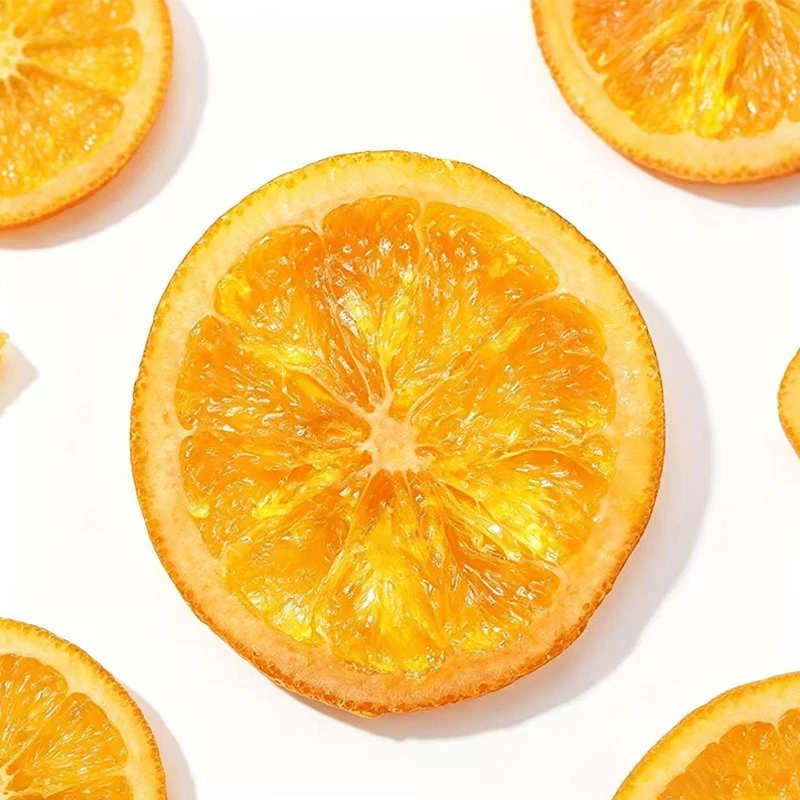
And if you’re craving something warm and sweet on a cold day, try jujube slices with candied orange slices. The bright, citrusy sweetness of candied orange slices pairs with the honey jujube to make a tea that tastes like a holiday fruitcake, minus the dense cake part. It’s perfect for sipping by the fire. Candied orange slices are one of my go-to add-ins for winter teas—you can get them here.
Wait, one more add-in I swear by: licorice dried tangerine peel. Licorice has a sweet, anise-like flavor that pairs surprisingly well with jujube. It’s a bit more intense than regular tangerine peel, so I only add a tiny piece, but it adds a warm, comforting depth that makes the tea feel like a hug. If you’ve never tried licorice dried tangerine peel, it’s worth experimenting with—you can find it here.
Now, let’s talk about some real customer stories, because I don’t want this to just be my opinion. Last month, a regular customer who owns a small tea shop in Portland reached out to me. She said she’d been looking for a new way to add texture to her herbal teas, and someone recommended our honey dipped crisp jujubes. She started by adding a sliced jujube to her rooibos vanilla tea, and now it’s one of her best-selling drinks. She told me that customers come in specifically for the “crunchy sweet tea,” and that they love that they can eat the jujube once they’re done. That’s the thing about these jujubes—they’re not just an add-in; they’re a snack and a tea enhancer all in one.
Another customer, a mom from Chicago, told me she uses them for her 7-year-old. Her daughter is picky about tea, but she loves the sweet crunch of the jujube, and the tea feels like a special treat, not something healthy. She adds one slice to her kid’s apple tea, and it’s become a daily ritual for them. That’s when I realized how versatile these jujubes are—they work for tea lovers of all ages, not just adults.
Of course, no product is perfect, and I want to be honest about when honey dipped crisp jujubes in tea might not work. If you’re into bold, smoky teas like Lapsang Souchong, the jujube’s sweetness will clash with the tea’s smoky, campfire-like flavor. It’s not a good pair. Also, if you don’t like honey or overly sweet flavors, this might not be for you. The jujube’s sweetness is front and center, so if you prefer your tea unsweetened, stick to traditional add-ins like lemon or mint.
So, can honey dipped crisp jujubes be used in tea? Absolutely. The key is to slice them thin, use them sparingly, pair them with the right tea, and don’t be afraid to experiment with other add-ins. It’s a fun, easy way to turn a regular cup of tea into something unique, with a touch of natural sweetness and a satisfying crunch.
If you’re a tea shop owner, a home brewer, or someone who’s just tired of the same old tea routine, I’d love to hear from you. We supply honey dipped crisp jujubes to tea shops across the country, and we’re always happy to work with customers to find the best way to use our product. Whether you’re looking to add a new add-in to your menu or just want to try something new in your kitchen, we’re here to help. Contact us today to learn more about bulk ordering, samples, or custom blends.
References:
- USDA FoodData Central. (n.d.). Jujube fruit (Ziziphus jujuba) raw: Nutrient content and profile. Retrieved from https://fdc.nal.usda.gov/fdc-app.html#/food-details/169285/nutrients
- Lee, S. M., et al. (2018). Bioactive compounds and health benefits of jujube (Ziziphus jujuba Mill.) fruits. Journal of Agricultural and Food Chemistry, 66(23), 5867-5877.
- Zhang, Y., et al. (2020). The sensory properties and functional characteristics of honey-dried jujubes and their application in beverage products. Food Science and Technology Research, 26(3), 389-396.
- A Study on Preserved Fruit Add-Ins in Specialty Teas. (2021). International Journal of Culinary Arts and Food Science, 9(2), 45-52.